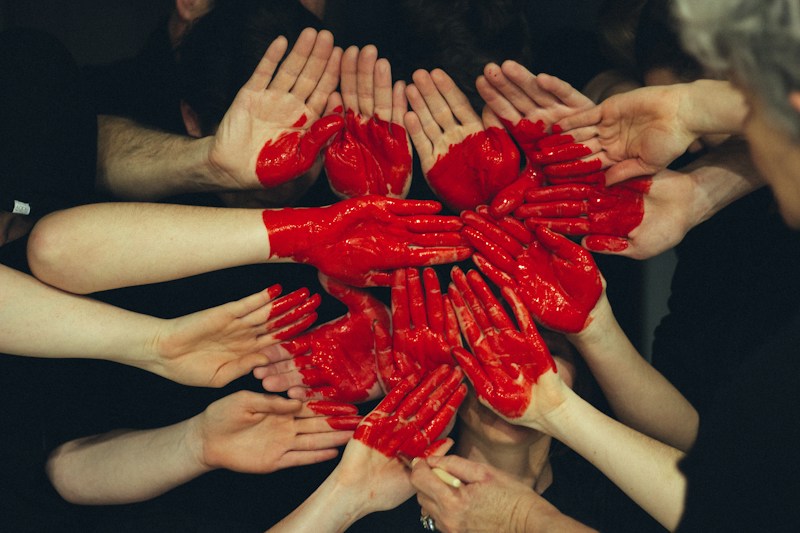
In the first weeks after October 7, artists rushed to help. They sang at funerals, performed for evacuees, painted murals of unity, wrote poems of mourning and hope. They gave a grieving nation something to hold onto when words failed.
But months later, many of those same voices went quiet.
Some could no longer perform. Others turned inward. A few disappeared from the stage altogether.
Mental Health First Aid Israel calls this phenomenon the echo of creation — the emotional collapse that can follow intense artistic giving in the aftermath of collective trauma. Within that silence lies a growing suicide risk few are willing to name.
You might also like
Suicide in Crisis: Early Warning Signs and First Response
Trauma can push the mind toward despair. In the months following October 7, mental health professionals across Israel have reported a rise in suicidal ideation—not only among direct survivors, but across communities.
Suicide PreventionSuicide After War: Understanding the Hidden Crisis
The guns may fall silent, but the internal battle often intensifies. Suicide rates historically rise in the aftermath of conflict—not during it.
Suicide PreventionPostvention: Supporting Communities After Suicide
When a community loses someone to suicide, the grief is compounded by stigma, confusion, and fear. Mental Health First Aid Israel addresses this critical phase through postvention.
Want to Learn More About MHFA?
MHFA training provides practical tools for supporting mental health. Join our community and become part of the change.