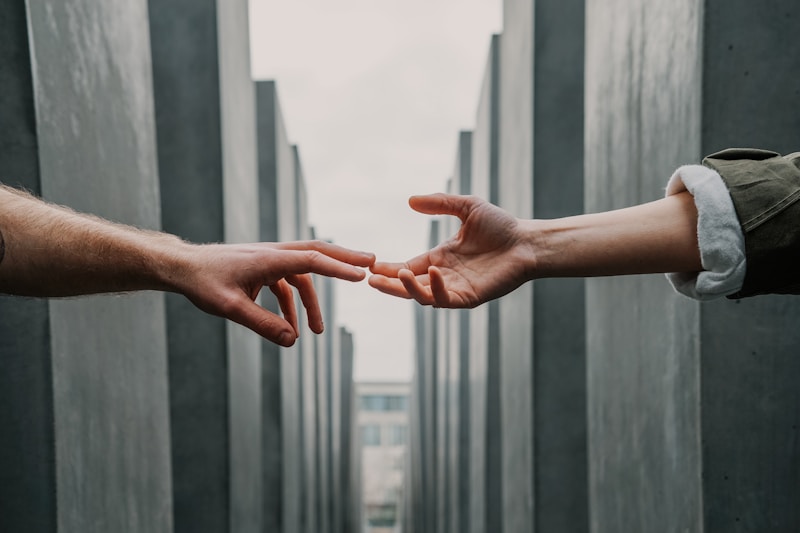
In a nation grieving together, it might seem impossible to feel alone. And yet, for many Israelis in the months after October 7, loneliness became an invisible epidemic.
Displaced families found themselves in hotels among strangers. Bereaved parents withdrew from communities too full of memories. Soldiers returned to homes where no one could understand what they had seen.
Mental Health First Aid Israel addresses loneliness as a mental health issue in its own right. Research shows that prolonged isolation increases the risk of depression, anxiety, and even physical illness.
MHFA-trained volunteers are taught to identify the early signs of isolation—missed gatherings, unanswered messages, withdrawal from routines—and respond with gentle outreach. Sometimes, all it takes is a knock on a door or a phone call that says, "I was thinking about you."
Connection doesn't require words. It requires presence.
You might also like
Introduction to MHFA Israel: Rehabilitation After the October 7th War
In the months following the October 7, 2023 attacks, Israelis faced not only physical devastation but a profound psychological rupture.
Mental HealthMHFA as a National Tool for Emotional Preparedness
Israel has long been a leader in physical preparedness. Bomb shelters are built into apartment buildings. Air-raid drills are routine. But emotional preparedness has lagged behind.
Mental HealthThe Paradox of Strength: When Being 'Strong' Becomes a Risk Factor
"Stay strong." It's a phrase Israelis hear constantly—an affirmation, a command, a national slogan. But what happens when strength becomes a mask?
Want to Learn More About MHFA?
MHFA training provides practical tools for supporting mental health. Join our community and become part of the change.