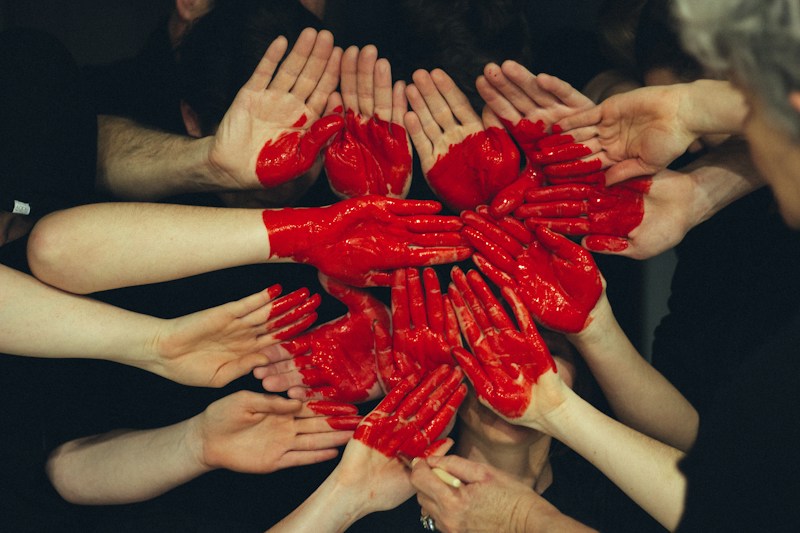
In Israel, helping is more than a value — it's an instinct. When tragedy strikes, people run toward it. Soldiers, medics, volunteers, teachers, rabbis, and neighbors all step up, often before formal systems can respond.
Since October 7, that instinct has saved lives. But it has also broken some of the very people who carried others through the darkest hours.
Mental Health First Aid Israel calls this the cost of carrying: the psychological and spiritual toll on helpers who have seen too much, done too much, and found themselves unable to recover from what they absorbed.
Behind the heroic images and public gratitude lies a quieter truth — that some of the strongest responders have begun to lose their own will to live.
You might also like
Suicide in Crisis: Early Warning Signs and First Response
Trauma can push the mind toward despair. In the months following October 7, mental health professionals across Israel have reported a rise in suicidal ideation—not only among direct survivors, but across communities.
Suicide PreventionSuicide After War: Understanding the Hidden Crisis
The guns may fall silent, but the internal battle often intensifies. Suicide rates historically rise in the aftermath of conflict—not during it.
Suicide PreventionPostvention: Supporting Communities After Suicide
When a community loses someone to suicide, the grief is compounded by stigma, confusion, and fear. Mental Health First Aid Israel addresses this critical phase through postvention.
Want to Learn More About MHFA?
MHFA training provides practical tools for supporting mental health. Join our community and become part of the change.